
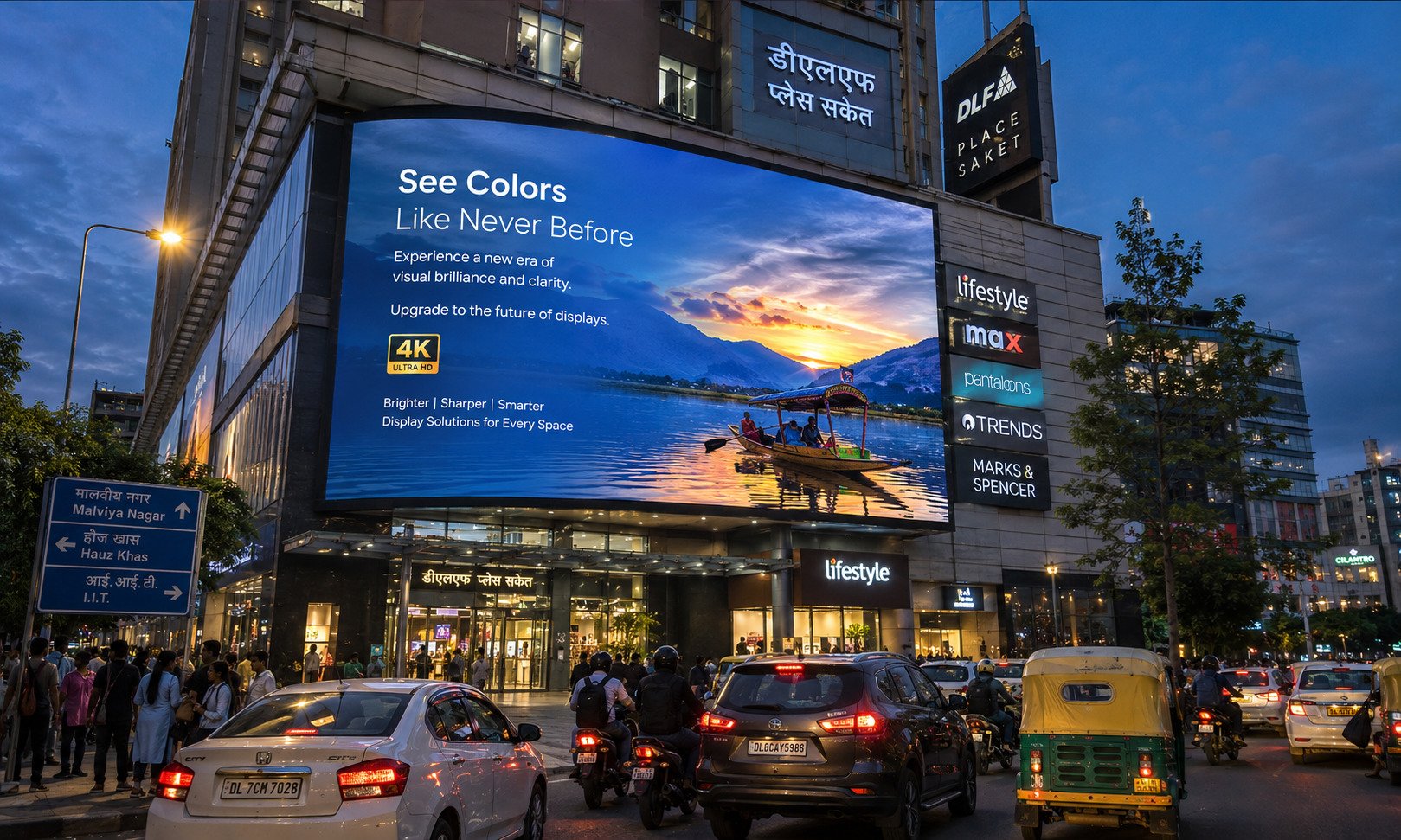
In the digital era, businesses are constantly searching for innovative ways to capture customer attention and improve brand visibility. One technology that has completely transformed the advertising and communication industry is the LED display. From shopping malls and retail stores to airports, stadiums, and corporate offices, LED screens are now everywhere. Their bright visuals, energy efficiency, and ability to deliver dynamic content make them one of the most effective digital communication tools available today.
LED displays are rapidly replacing traditional banners, posters, and static billboards because they offer a more engaging and professional way to communicate with audiences. Whether a company wants to promote products, share information, or create immersive experiences, LED display solutions provide unmatched performance and flexibility.
What is an LED Display?
An LED display is a digital screen that uses Light Emitting Diodes (LEDs) to produce high-quality images and videos. These displays are designed to deliver vibrant colors, sharp visuals, and excellent brightness, making them visible even in outdoor environments with direct sunlight.
Unlike traditional display technologies, LED screens consume less power while delivering superior performance. They are available in different sizes, resolutions, and configurations, allowing businesses to choose customized solutions according to their requirements.
Today, LED displays are commonly used in advertising, entertainment, education, transportation, healthcare, hospitality, and corporate communication. Their ability to display real-time content makes them highly effective for modern marketing strategies.
Growing Demand for LED Displays
The demand for LED displays has increased significantly over the last few years. Businesses are moving toward digital transformation, and visual communication plays a major role in customer engagement. Traditional marketing methods no longer create the same impact as digital content displayed on large, attractive LED screens.
Retail brands use LED displays to attract customers with promotional videos and product advertisements. Event organizers rely on LED video walls to create immersive experiences during concerts, exhibitions, and live shows. Corporate offices install LED screens in conference rooms and reception areas to improve presentations and branding.
Outdoor LED billboards are also becoming increasingly popular because they can display multiple advertisements throughout the day. This flexibility allows businesses to maximize advertising opportunities while reducing printing costs associated with traditional banners and posters.
Advantages of LED Display Technology
One of the biggest advantages of LED displays is their exceptional brightness and clarity. These screens provide crystal-clear visuals that remain visible even in bright sunlight or low-light conditions. This makes them ideal for both indoor and outdoor applications.
Another important benefit is energy efficiency. LED technology consumes less electricity compared to older display systems, helping businesses lower operational expenses. Modern LED displays are also designed for long-term use, which reduces maintenance and replacement costs.
LED screens are highly versatile and can be customized into various shapes and sizes. Businesses can install curved displays, transparent LED screens, or large video walls depending on their branding requirements. This flexibility makes LED technology suitable for creative advertising campaigns and modern architectural designs.
Content management is another reason why businesses prefer LED displays. Digital content can be updated instantly through remote systems, allowing companies to change advertisements, announcements, and promotional messages in real time. This feature is especially useful for retailers, restaurants, and event organizers who need frequent content updates.
Applications of LED Displays in Different Industries
LED displays have become essential across multiple industries because of their ability to deliver impactful visual communication.
In the retail industry, LED screens help businesses attract customers and increase sales. Retail stores use digital signage to showcase promotions, discounts, and product launches in an engaging way. The vibrant visuals capture attention more effectively than static posters.
The entertainment industry heavily depends on LED displays for concerts, sports events, theaters, and exhibitions. Large LED video walls create immersive environments and improve audience experiences by displaying live visuals and special effects.
Corporate organizations use LED displays for presentations, branding, and internal communication. Conference rooms equipped with LED video walls provide better visibility and improve professional communication during meetings and events.
Educational institutions also benefit from LED display technology. Schools, colleges, and universities use digital screens for presentations, campus announcements, and interactive learning experiences.
Transportation hubs such as airports, railway stations, and bus terminals rely on LED displays for real-time information updates. Passengers can easily view schedules, announcements, and advertisements on clear digital screens.
Choosing the Right LED Display Solution
Selecting the right LED display depends on several factors, including location, screen size, viewing distance, and content requirements. Indoor LED displays are designed for close viewing distances and controlled lighting environments, while outdoor LED screens are built with weather-resistant technology and higher brightness levels.
Pixel pitch is another important consideration. Smaller pixel pitch provides better image quality and is ideal for indoor applications where viewers are closer to the screen. Outdoor displays usually have larger pixel pitches because they are viewed from greater distances.
Businesses should also consider installation support, maintenance services, and software compatibility before investing in LED display systems. Choosing a reliable LED display provider ensures better performance and long-term value.
Future of LED Display Technology
The future of LED display technology looks highly promising. Innovations such as MicroLED and flexible LED displays are creating new possibilities in digital communication and advertising. Advanced technologies are making screens thinner, brighter, and more energy efficient than ever before.
As businesses continue to embrace digital marketing, LED displays will play an even bigger role in customer engagement and brand promotion. Their ability to deliver dynamic and visually appealing content makes them one of the most valuable tools for modern businesses.
Conclusion
LED displays have revolutionized the advertising and communication industry by offering brighter visuals, energy efficiency, and flexible content management. From retail stores and corporate offices to entertainment venues and transportation systems, LED display technology is helping businesses improve communication and attract audiences more effectively.
Investing in high-quality LED display solutions is no longer just an option for businesses—it has become a necessity in today’s competitive digital landscape. Companies that adopt advanced LED display technology can enhance brand visibility, improve customer engagement, and create powerful visual experiences that leave a lasting impression.